
A Titanium Hip Implant and a German Machine Tool: The Unlikely Engine Behind Europe’s CNC Market
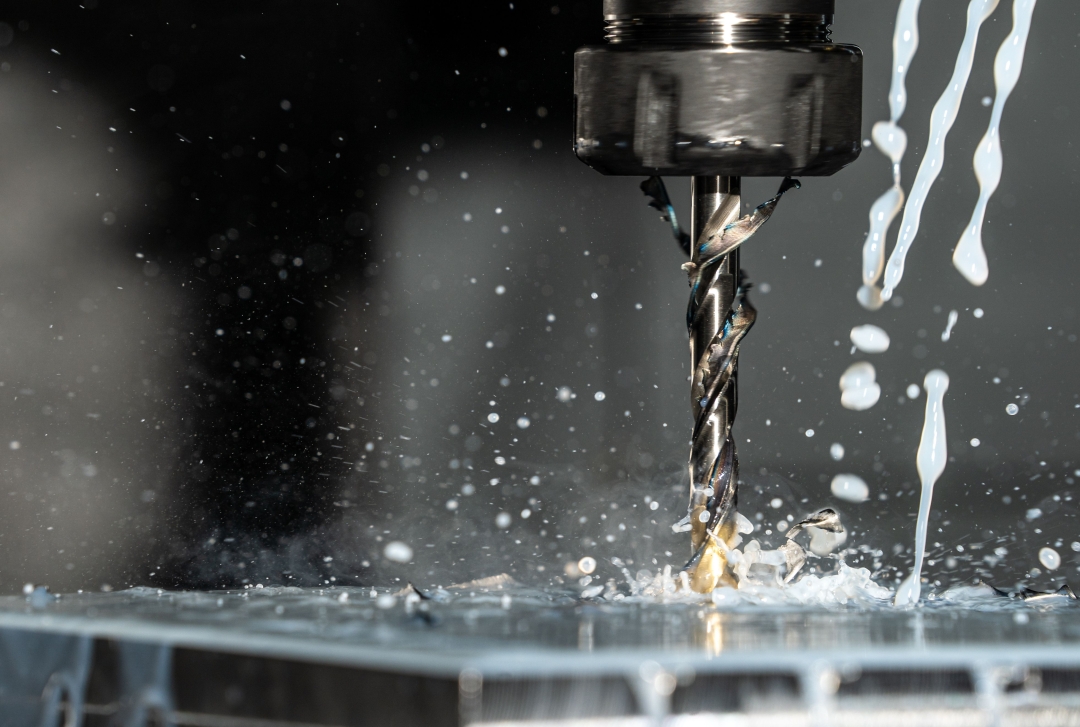
A titanium alloy hip implant machined to micron-level precision may not seem to influence industrial machinery growth. However, it is a significant factor propelling the Europe CNC Machine Market, which sold 209.8 thousand units in 2025 and is expected to reach 283 thousand units by 2033. The market is projected to grow at a volume CAGR of 4.0% and a value CAGR of 4.8% from 2027 to 2033, reaching USD 39.62 billion.
Healthcare Manufacturing Is Quietly Rewriting Machine Specifications
Europe’s medical technology industry has become a key hub for CNC precision, transforming customer expectations for their machines. They increasingly machine orthopedic implants, trauma fixation devices, spinal hardware, dental prosthetics, and surgical tools from materials like titanium, cobalt-chromium alloys, stainless steel, and high-performance polymers all requiring advanced multi-axis machining to meet the accuracy and surface quality standards set by medical regulators. Manufacturing hubs in Germany, Switzerland, Ireland, France, and Italy have developed extensive expertise in this specific area.
Currently, there’s a shift towards patient-specific implants. Improvements in medical imaging and digital design are enabling more implants to be tailored for individual patients instead of being mass-produced in standard sizes. This trend increases the need for flexible 5-axis machining centers that can quickly produce complex, custom geometries. Manufacturers are equipping these machines with automated tool changers and in-process inspection systems, not only to boost speed but also to meet European medical device regulations that require complete production traceability and a level of quality that few other industries demand.
Readers can find additional insights, market forecasts, and segmentation details in the Europe CNC Machine Market report: https://marksparksolutions.com/reports/europe-cnc-machine-market
The underlying demographic reality is straightforward: Europe’s aging population leads to a rise in orthopedic disorders. This trend alone ensures consistent long-term demand for hip, knee, shoulder, and spinal implants, motivating manufacturers to continually expand their precision machining capacity beyond what automotive or aerospace needs alone would require.
Machining Centers Still Anchor the Market — But the Runners-Up Are Interesting
CNC machining centers continue to be the dominant category, valued for their ability to perform milling, drilling, tapping, and contouring in a single setup. This versatility is essential for automotive OEMs, aerospace manufacturers, and industrial equipment producers, helping them reduce setup times and enhance precision. CNC lathes are the second most prevalent, supported by ongoing demand for rotational parts in automotive powertrains and hydraulic systems. Meanwhile, CNC milling machines have a significant share in mold and die manufacturing, medical device production, and prototyping.
The real growth is happening in laser cutting. Demand for CNC laser cutting machines is increasing rapidly, driven mainly by electric vehicle manufacturers and sheet metal fabricators seeking quick, flexible processing of lightweight materials with minimal waste a use case that was hardly relevant a decade ago. Meanwhile, specialized equipment such as EDM and gear cutting machines still supports precision mold, die, and transmission component manufacturing. In contrast, grinding machines remain vital for aerospace and bearing finishing, where achieving tight tolerances is critical.
Germany’s Machine Tool Legacy Still Sets the Regional Benchmark
Germany’s market leadership isn’t accidental — it stems from one of the world’s most developed machine tool manufacturing ecosystems, supported by strong demand from the domestic automotive, aerospace, and precision engineering sectors. Ongoing investment in automation and digital production systems ensures that maintaining this position remains challenging.
Italy is ranked second, driven by export-focused precision manufacturers that serve both European and global markets. France and the UK hold notable shares through their aerospace, defense, and medical device industries—sectors that require advanced multi-axis capabilities rather than simple machining. Spain is gaining ground thanks to growth in automotive production, while Switzerland has developed a niche in ultra-precision sectors such as medical technology and watchmaking. Poland and the Czech Republic are increasing their presence as multinational companies expand operations there to stay competitive on costs. Meanwhile, the Netherlands benefits from investments in semiconductor equipment—a field with precision needs closely related to those in medical device manufacturing.
Pricing Reflects a Shift Toward Smarter, Not Just Faster, Machines
Average CNC machine prices are projected to increase from USD 130,000 in 2024 to USD 140,000 in 2033. This rise isn’t mainly due to inflation. Still, it is driven by buyers valuing automation, in-process inspection, and digital monitoring features, which have shifted from optional add-ons to standard expectations as manufacturers aim for higher throughput and better traceability.
A Competitive Field Anchored by European Engineering, With Global Reach
The market features well-established European manufacturers such as DMG MORI, TRUMPF, EMAG, CHIRON Group, INDEX-Werke, HELLER Maschinenfabrik, GROB-WERKE, GF Machining Solutions, United Grinding Group, Starrag Group, Danobat, SORALUCE, Nicolás Correa, FPT Industrie, and Prima Power. It also includes key international firms with a strong presence in the EU, like Yamazaki Mazak, Okuma, FANUC, Haas Automation, and DN Solutions.
Looking Toward 2033
As Europe’s medical device sector presses for tighter tolerances and faster production cycles, and automotive and aerospace industries increase investments in smart factory automation, CNC machine demand in the region is expected to grow steadily. This growth will be driven more by developments in operating rooms than assembly lines.
Manufacturers and industrial buyers considering CNC technology investments can utilize Mark & Spark Solutions’ comprehensive market study for detailed segmentation, country-specific forecasts, and competitive benchmarking.
Download a Complimentary Sample Report Here: https://marksparksolutions.com/sample-reports?1032&Download_Free_Sample
Companies seeking precision machining capabilities for medical, automotive, or aerospace projects can request a customized data excerpt tailored to their particular production requirements.
Media Contact
Company Name: Mark & Spark Solutions
Contact Person: Sushil
Email: Send Email
Phone: 9158340999
Address:2nd Floor, Panchsheel Park, Aundh
City: Pune
State: Maharashtra
Country: India
Website: https://marksparksolutions.com/reports/europe-cnc-machine-market


